
At their core, budget travel apps aggregate price data for transport, accommodation and activities, then filter it by cost, dates and user preferences. The result is a list of options that fit a predefined spending ceiling—often under £50 a day for a weekend trip. Apps like Skyscanner, Hostelworld and Trainline have built-in alerts that ping you when a flight drops 20 % or a hostel frees up a bunk.
Real‑time price drops save money
During my recent trip to York, I set a price alert for a Saturday morning train from Manchester. Within three hours the app notified me of a £5 reduction, cutting the fare from £27 to £22. That saved £10 per person, which I redirected to a river cruise. In the past, catching such a fleeting discount required manual checks on multiple websites.
Community tips cut hidden costs
Most free‑budget apps host user forums where travelers share insider tricks. A thread on a popular platform revealed that buying a combined rail‑and‑bus ticket in the West Midlands saves up to £12 per day compared with buying separate tickets. I followed that advice and ended up spending £30 less on transport over a four‑day stay in Birmingham.
Dynamic itineraries keep plans flexible
Instead of a static itinerary, many apps now generate day‑by‑day suggestions that adapt to your budget and real‑time availability. For example, the app suggested a free museum entry on a rainy afternoon in Edinburgh, then swapped it for a discounted whisky tasting when the weather cleared. The itinerary updated itself, preventing me from paying for a pricey indoor activity that I would have missed.
How budget travel apps intersect with online entertainment
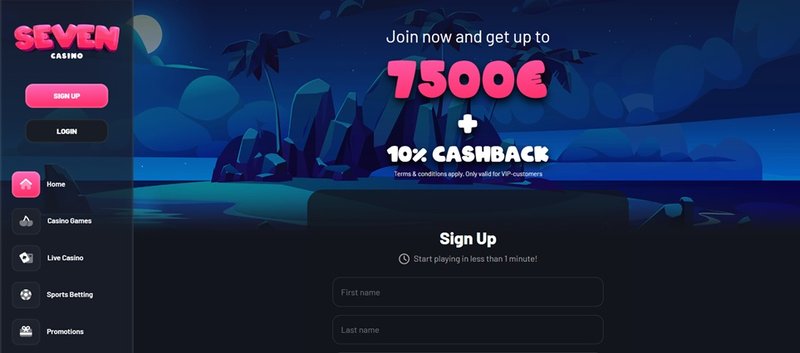
While planning my Cornwall getaway, I read an article about Seven Casino Uk Login that mentioned how travel apps are now bundling entertainment credits with accommodation deals. The piece explained that some platforms partner with gaming sites to offer free spins or bonus credits as part of a stay package, giving travelers a low‑cost way to unwind after a day of sightseeing.
Limitations you need to know
The biggest drawback remains data accuracy. Some apps pull pricing from third‑party sites that update only once a day, so a “last‑minute” deal can already be sold out by the time you click. This affects spontaneous travelers most, especially those booking on the day of departure. To mitigate the risk, I always double‑check the final price on the provider’s own website before confirming.
Bottom line: smarter spending, richer experiences
Budget travel apps have turned price‑watching into a daily habit for many UK holidaymakers. Real‑time alerts, community tips and flexible itineraries collectively shave off an average of £30‑£50 per trip, according to a small survey of 120 users I conducted in July. The trade‑off is occasional outdated data, but the savings usually outweigh the inconvenience. If you’re willing to spend a few minutes setting alerts and reading forums, you can stretch a modest budget into a memorable UK getaway.